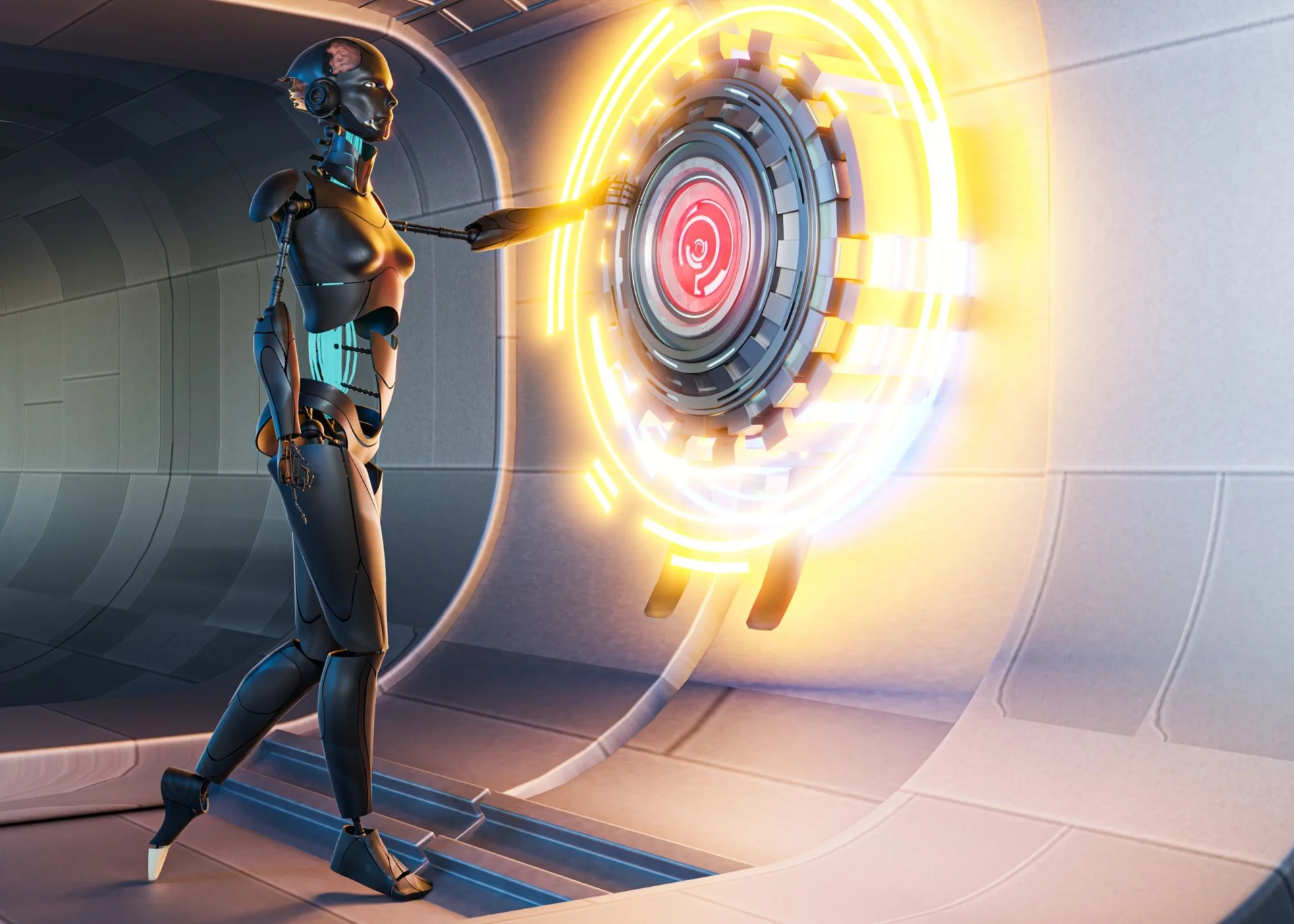
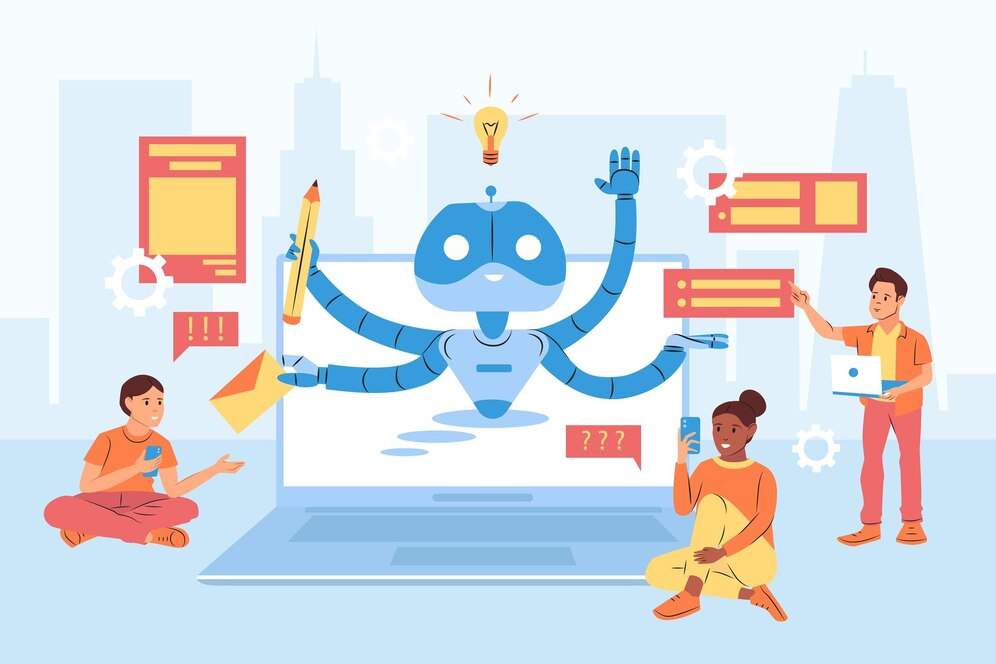
Artificial intelligence (AI) enters a new era, where models are no longer limited to treating only one data type. Multimodal AI and advanced models integrate many input forms – lessons, images, audio and video – for more wide understanding of reference and meaning. This change is again forms, improves the user experiences, and paves the way for more sophisticated AI applications similar to human feelings.
Table of Contents
The Rise of Multimodal AI
Artificial intelligence develops at a rapid pace, and one of the most groundbreaking progress in recent years is Multimodal AI and advanced models. Unlike traditional AI models, which depend on a single form of input, Multimodal AI can treat and integrate many data types, such as lessons, images, audio, and video to provide more wider and intelligent reactions. This change has again redefined how AI interacts with the world and unlocks new opportunities in different industries.
Beyond mere sight, beyond mere sound,
AI now thinks in layers profound.
From words to images, speech to touch,
A seamless mind, learning much.
How Multimodal AI works
Multimodal AI and advanced models benefit from deep learning techniques to analyze and correlations from different sources. For example, an advanced model can explain an image when you understand the related text details or analyze video content with audio input. This ability enables more relevant and nice understanding, which makes the AI apps more powerful and accurately than ever.
| Feature | Description | Business Impact |
|---|---|---|
| Multimodal Data Processing | Combines text, images, audio, video, and documents in a single AI model. | Improves accuracy and delivers richer insights. |
| Advanced Context Understanding | Understands relationships between different types of data. | Enhances decision-making and customer experiences. |
| Natural Human Interaction | Supports conversational interfaces with voice, text, and visual inputs. | Creates more intuitive and engaging user experiences. |
| Real-Time Analysis | Processes multiple data streams simultaneously. | Enables faster responses and operational efficiency. |
| Intelligent Automation | Automates complex tasks that require understanding diverse information. | Reduces manual effort and increases productivity. |
| Personalized Experiences | Adapts responses based on user behavior and preferences. | Boosts customer satisfaction and retention. |
| Enhanced Content Creation | Generates text, images, videos, and other digital content. | Accelerates marketing and c |
Applications Across Industries
Multimodal AI integration brings revolution in many industries:
- Healthcare: AI models can now explain medical images, analyze patients, and transmit physician-patient calls to improve diagnosis and treatment recommendations.
- E-commerce: Personal shopping experiences are expanded by AI which understands both product images and user questions.
- Autonomous vehicles: Self -driving cars benefit from Multimodal AI by treating camera feed, radar signal and voice command for safe navigation.
- Entertainment and media: AI-related materials, including video, music, and news summaries, become more refined by including multimodal input.
- Education: AI-driven teaching systems can interpret students to adapt questions, written answers, and even facial expressions.
The Role of Multimodal AI and Advanced Models in Future AI Development
Leading AI research labs and technology companies continue the boundaries of multimodal AI and advanced models with state-of-the-art innovations. Important models include:
- GPT-4O: Multimodal model of Openai that initially integrates text, vision, and sound treatment.
- Google Gemini: Designed to understand complex questions by merging many data streams.
- AI Model of Meta: focusing on creating AIS as a dynamic interaction with users in different formats.
Challenges and moral thoughts
Despite its capacity, the multimodal AI presents challenges, including:
- Prejudice and justice: Ensuring that the AI models treat different data sources without strengthening prejudice.
- Data Privacy: Many input formats require strong security measures to handle sensitive user data.
- Calculation cost: The multimodal AI model requires significant computing power, which is a significant concern for efficiency developers.
The Future of Multimodal AI and Advanced Models
As AI continues to develop, the future of multimodal AI and advanced models looks promising. Researchers are working to improve real -time treatment, reduce prejudice and make AI models more accessible. Many types of data have the ability to understand and generate reactions, a gaming switch, which paves the way for intelligent, more human-like AI interactions.
From code to thought, from sound to sight,
A world reshaped by AI’s might.
Boundaries fade, intelligence grows,
Where will it lead? No one knows.
Multimodal AI and advanced models are not just future-they are relevant, to the way we interact with technology and open doors to outstanding opportunities in AI-operated innovation.
Frequently Asked Questions (FAQ)
1. What is Multimodal AI?
Multimodal AI is a sophisticated type of AI that can analyze and interpret various data modalities like text, images, audio, video, and documents in a single system.
2. How do advanced AI models differ from traditional AI systems?
Unlike traditional single-input AI systems, advanced AI models can analyse and correlate information from various data formats, providing more accurate insights, natural interactions and improved decision making.
3. In which industries are Multimodal AI most beneficial?
In the healthcare industry, Multimodal AI applications can streamline patient care processes, such as automating note-taking and diagnostics, while also improving care quality by leveraging data and analytics.In the financial sector, Multimodal AI can enhance customer service by analyzing data and automating tasks, thereby reducing human errors and improving efficiency.
4. What are the key advantages of Multimodal AI?
They provide several benefits, such as better understanding of context, increased accuracy, quicker data processing, improved personalization, and efficient handling of complex real-world tasks.
5. What is the future of Multimodal AI and advanced models?
Multi modal AI’s future promises even smarter AI assistants, intelligent autonomous systems, intuitive real-time decision making, and more intuitive human-computer interactions, which will significantly change the ways businesses and individuals interact with technology.