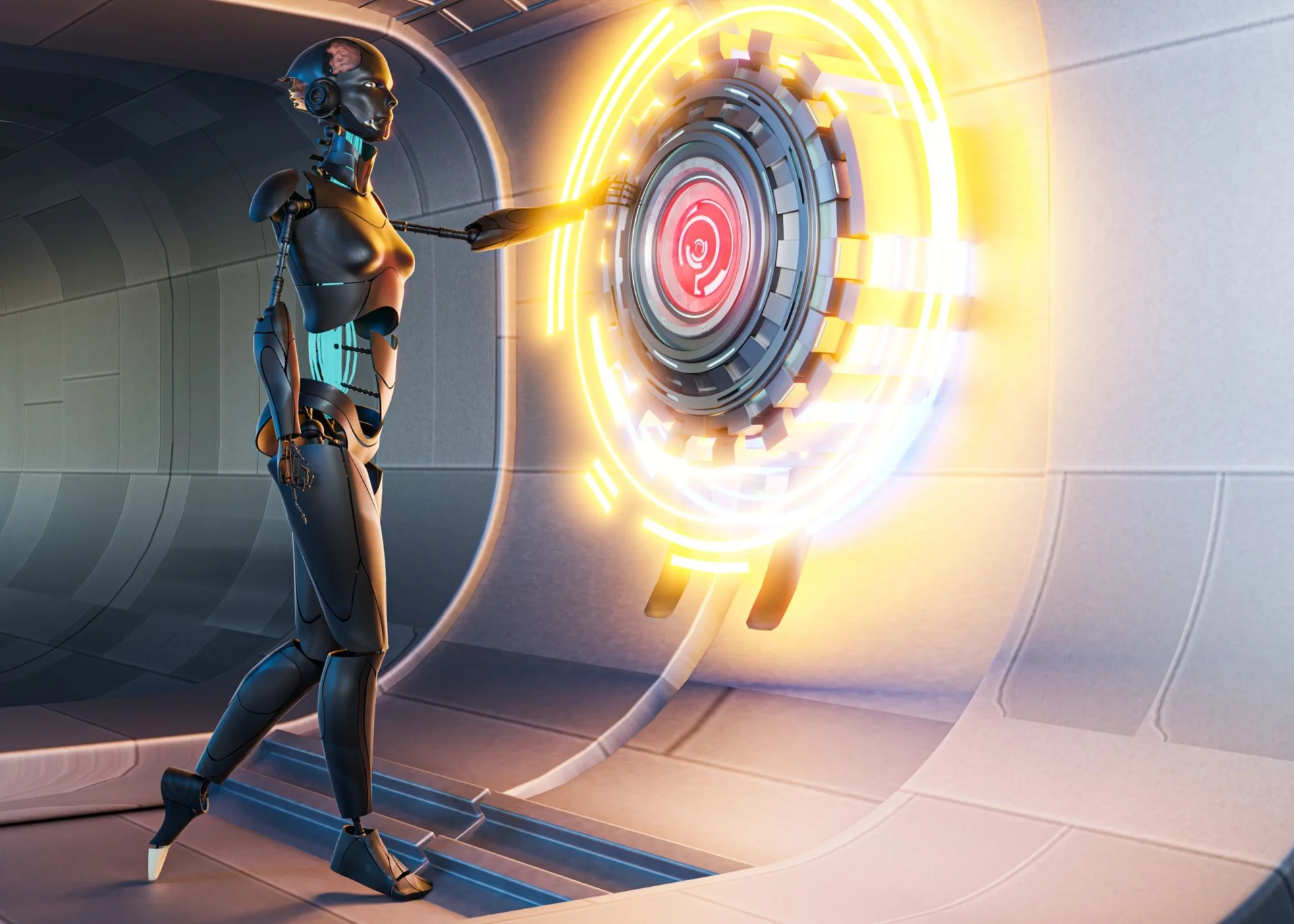

Artificial intelligence (AI) has evolved rapidly, and one of the maximum groundbreaking progress in 2026 is AI. Unlike traditional AI structures, which depend on a single shape of input, many information codecs inclusive of multimodal AI strategies and classes integrate multimodal codecs, pictures, images, voice, and films. This superior capacity lets machines engage with humans in an extra herbal and spontaneous way, leading to substantial improvement in distinct industries.
Table of Contents
What is Multimodal AI?
Multimodal AI refers to artificial intelligence structures that can on the same time examine and interpret numerous kinds of data inputs. This lets in AI to give you greater correct predictions, improve the choice and growth consumer reports. By combining distinct statistics assets, the multimodal AI device provides a extra widespread information of the data, making them extra powerful than the traditional AI model.
How Multimodal AI works
Multimodal AI operates by integrating and synchronizing many record streams. These statistics streams may also consist of:
- Lesson: Natural Language Processing (NLP) enables AI to understand written and spoken words.
- Pictures: Data imaginative and prescient LAR AI become aware of and technique visible statistics.
- Sound: Speech popularity enables AI to explain orders and emotions.
- Video: AI can analyze facial expressions, gestures, and visible references.
By combining these unique strategies, the AI structures can offer extra correct reactions and adapt more successfully to real landscapes.
Applications of Multimodal AI
1. Healthcare
Multimodal AI is revolutionizing the healthcare industry by way of integrating scientific imaging, affected person facts, and voice information to enhance diagnostics and treatment plans.
For instance:
- AI can analyze X-rays, MRIs, and CT scans at the side of patient records to discover illnesses earlier.
- Voice-based AI equipment can identify signs of neurological disorders via speech analysis.
- AI-powered assistants can offer actual-time virtual consultations by using processing text, audio, and video inputs.
2. E-commerce and customer experience
In e-commerce, the multimodal customer experience improves by integrating AI voting commands, product images, and text searches. Some major applications include:
- Visual Search: Users can upload an image to find similar products online.
- AI-operated chatbots: These robots analyze texts, text inputs, and facial expressions to provide better reactions.
- Personal recommendations: AI links browser history, voice requests, and images to suggest the best products.
3. Smart assistant and virtual agent
Smart assistant and virtual agent Voice assistants like Siri, Alexa, and Google Assistant have become smarter with Multimodal AI. Instead of trusting the voice, they now explain facial expressions, gestures, and environmental references to provide more accurate assistance.
For example:
- A smart aid can detect emotions through the voice tone and adjust the reactions accordingly.
- Home automation systems integrate speech, gestures, and face identity for uninterrupted control of smart devices.
Multimodal AI, a vision so bright,
Merging text, sound, and visual light.
From healthcare to homes, it leads the way,
Shaping tomorrow, redefining today.
4. Autonomous vehicles and robotics
Multimodal AI plays an important role in self-driving cars and robotics by combining different data inputs:
- Lidar sensors, cameras, and GPS work to safely navigate on roads.
- AI-operated robots use voice and visual signals to interact with people in warehouses, hospitals, and homes.
- Multimodal AI enables a gesture-based command to autonomous systems, improving access to users.
5. Education and stage
AI-operated learning platforms include multimodal interactions to adapt education. Some examples include:
- AI supervisors analyze speech patterns and facial expressions to accommodate teaching methods.
- Virtual Reality (VR) and Augmented Reality (AR) are integrated with AI to create immersive learning experiences.
- The AI video can transfer the lecture abnormally, which can make education more accessible to disabled students.
| Feature | Description | Business Benefit |
|---|---|---|
| Text Understanding | Processes written content, documents, and conversations. | Improves communication and content analysis. |
| Image Recognition | Analyzes photos, graphics, and visual data. | Enhances visual search and automation. |
| Voice Processing | Understands and responds to spoken language. | Enables smarter virtual assistants and customer support. |
| Video Analysis | Interprets video content in real time. | Supports security, monitoring, and content management. |
| Data Integration | Combines multiple data types into a unified understanding. | Delivers more accurate insights and decisions. |
| Personalized Experiences | Adapts responses based on user interactions. | Increases customer engagement and satisfaction. |
| Automation Capabilities | Automates complex workflows using diverse inputs. | Reduces operational costs and improves efficiency. |
| Real-Time Decision Making | Processes information instantly across formats. | Accelerates business responses and productivity. |
| Industry Applications | Used in healthcare, retail, education, finance, and manufacturing. | Drives innovation and competitive advantage. |
| Future Impact in 2026 | Creates more human-like AI interactions across platforms. | Supports digital transformation and business growth. |
Challenges and moral thoughts
While Multimodal AI offers many benefits, there are also challenges:
- Data Privacy: Handling many data types increases the risk of security violations.
- Prejudice and justice: AI models can get prejudices from different data sources, which can lead to incorrect decisions.
- Computer costs: Important computational power and energy are necessary to treat many data formats.
- Openness: Users require clarity on how AI treats and connects different data inputs.
The Future of Multimodal AI
As AI technology progresses, Multimodal AI will become more sophisticated, which will lead to even more spontaneous Human interaction. May be involved in future development:
- To find out the AI-controlled spirit to increase customer service and mental health care.
- More massive AI-failed AR/VR apps for games, health care, and remote work.
- Increase in adoption of AI-operated robotics for industries such as industry, logistics, and age Care.
Frequently Asked Questions (FAQ)
1. What does Multimodal AI mean?
Multimodal AI is a technology capable of handling and interpreting multiple data formats, such as text, images, audio, video, and documents all at once.
2. What is the difference between Multimodal AI and conventional AI?
Traditional AI systems are typically limited to processing one type of data, whereas Multimodal AI systems can handle multiple data types and deliver more precise and contextually relevant answers.
3. What are the best industries for Multimodal AI?
Certain industries are seeing tremendous benefits from Multimodal AI solutions, such as healthcare, education, retail, finance, customer support, and manufacturing.
4. Is it possible to enhance customer experiences through Multimodal AI?
Yes. It allows enterprises to provide smarter chatbots, visual search, voice assistants, and custom interactions for improved customer engagement.
5. What are the potential challenges of deploying Multimodal AI in 2026 and beyond?
The future will bring in more human-like interaction, improved automation, real-time decision making and integration across digital platforms and devices.